Participating in sports and physical activities offers numerous health benefits, but it’s not without its risks. Minor sports injuries are a common occurrence, ranging from sprains and strains to bruises and abrasions. While these injuries may be inconvenient, they are often manageable with proper care and attention. In this article, we’ll explore some of the most common minor sports injuries and provide tips for effective management and recovery.
1. Sprains and Strains:
Sprains and strains are among the most prevalent sports injuries, occurring when ligaments (sprains) or muscles and tendons (strains) are stretched or torn. Common sites for sprains and strains include the ankles, knees, and wrists. Initial treatment typically involves rest, ice, compression, and elevation (RICE) to reduce swelling and pain. Following the first few days treatment shifts to mobilise, exercise, analgesia, and treatment (MEAT). Gradual rehabilitation exercises and treatment can help restore strength and flexibility to the affected area.
2. Bruises and Contusions:
Bruises, also known as contusions, occur when small blood vessels beneath the skin rupture due to impact or trauma. While bruises are often minor and resolve on their own, they can cause discomfort and swelling. Applying ice packs or cold compresses to the affected area can help reduce swelling and alleviate pain. Gentle massage may also provide relief.
3. Muscle Cramps:
Muscle cramps are sudden, involuntary contractions of a muscle or group of muscles, often occurring during or after intense physical activity. Dehydration, electrolyte imbalances, and muscle fatigue are common triggers for muscle cramps. To relieve a muscle cramp, gently stretch and massage the affected muscle, and drink plenty of fluids to stay hydrated. Consuming electrolyte-rich foods or beverages may also help prevent future cramps. We often advise products like HighFive Zero or LMNT as we have tried and tested them, finding them effective for our patients.
4. Tendonitis:
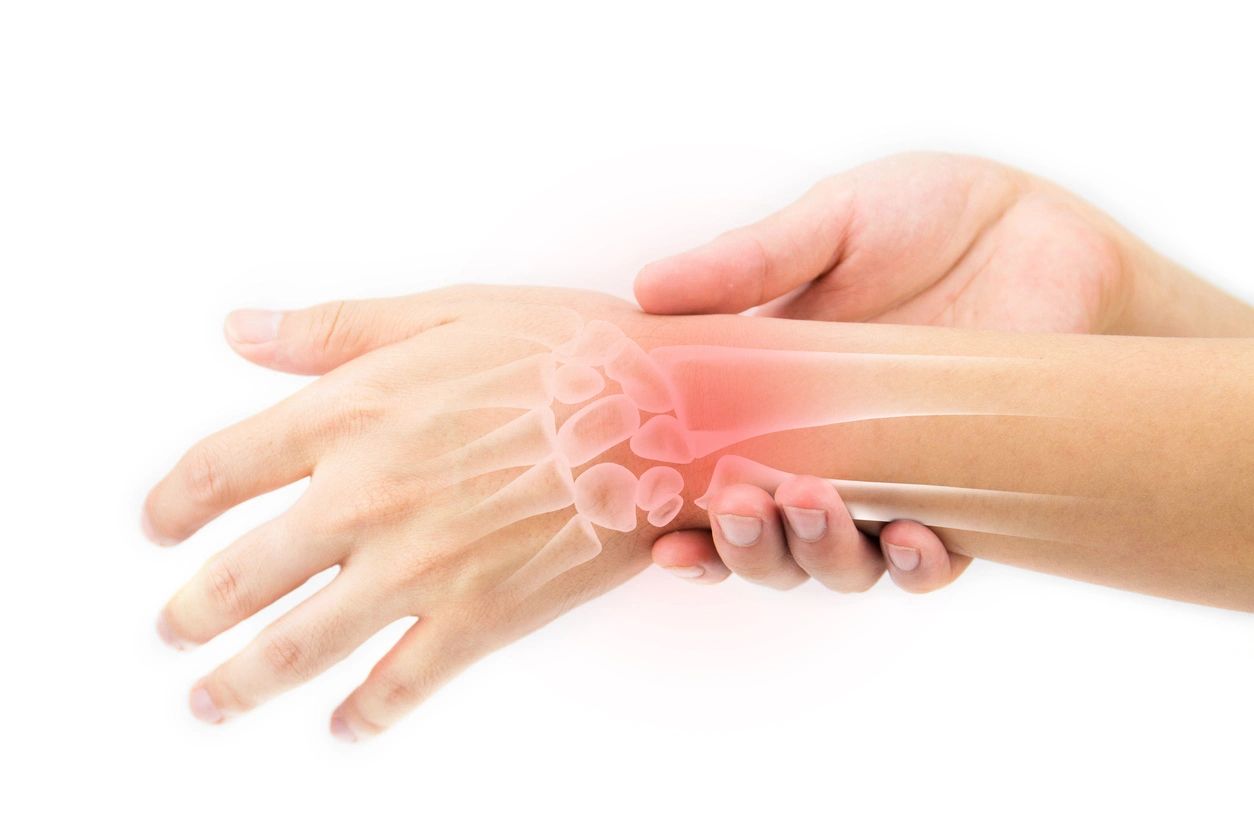
Tendonitis, also known as tendinitis, is inflammation of a tendon typically caused by repetitive movements or overuse. Common sites for tendonitis include the shoulders, elbows, and knees. Resting the affected area and applying ice packs can help reduce pain and inflammation. Gradual stretching and strengthening exercises under the guidance of a healthcare professional can aid in recovery and prevent recurrence. In the long term, eccentric training exercises are often best.
5. Abrasions and Cuts:
Abrasions, or scrapes, occur when the skin is rubbed or scraped against a rough surface, while cuts result from sharp objects piercing the skin. Proper wound care is essential to prevent infection and promote healing. Clean the wound with soap and water, apply an antiseptic ointment, and cover it with a sterile bandage or dressing. Seek medical attention for deep cuts or wounds that show signs of infection, such as redness, swelling, or pus.
6. Blisters:
Blisters are fluid-filled sacs that form on the skin as a result of friction or pressure. They commonly occur on the feet, hands, or other areas subjected to repetitive motion or rubbing. To prevent blisters, wear properly fitting footwear and use protective padding or bandages on areas prone to friction. If a blister does develop, avoid puncturing it unless it becomes painful or increases in size. Keep the area clean and covered with a bandage to prevent infection.
7. Overuse Injuries:
Overuse injuries result from repetitive stress or strain on a specific part of the body, often occurring gradually over time. Common examples include tennis elbow, runner’s knee, and shin splints. Rest and ice can help alleviate pain and inflammation associated with overuse injuries. Modifying activity levels, cross-training, and incorporating adequate rest and recovery periods into training regimens can prevent recurrence of overuse injuries. It is also helpful to address things such as footwear and exercise form the ensure you are avoiding overusing some areas and underusing others.
While minor sports injuries are an inevitable part of an active lifestyle, taking proactive measures to prevent, manage, and treat these injuries can help minimize their impact and promote a speedy recovery. By listening to your body, practicing proper technique, and incorporating rest and recovery into your routine, you can continue to enjoy the benefits of sports and physical activity while reducing the risk of injury. If symptoms persist or worsen, consult a healthcare professional for further evaluation and sports injury treatment.