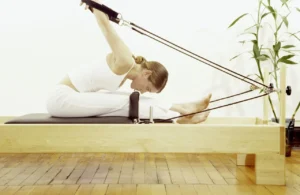
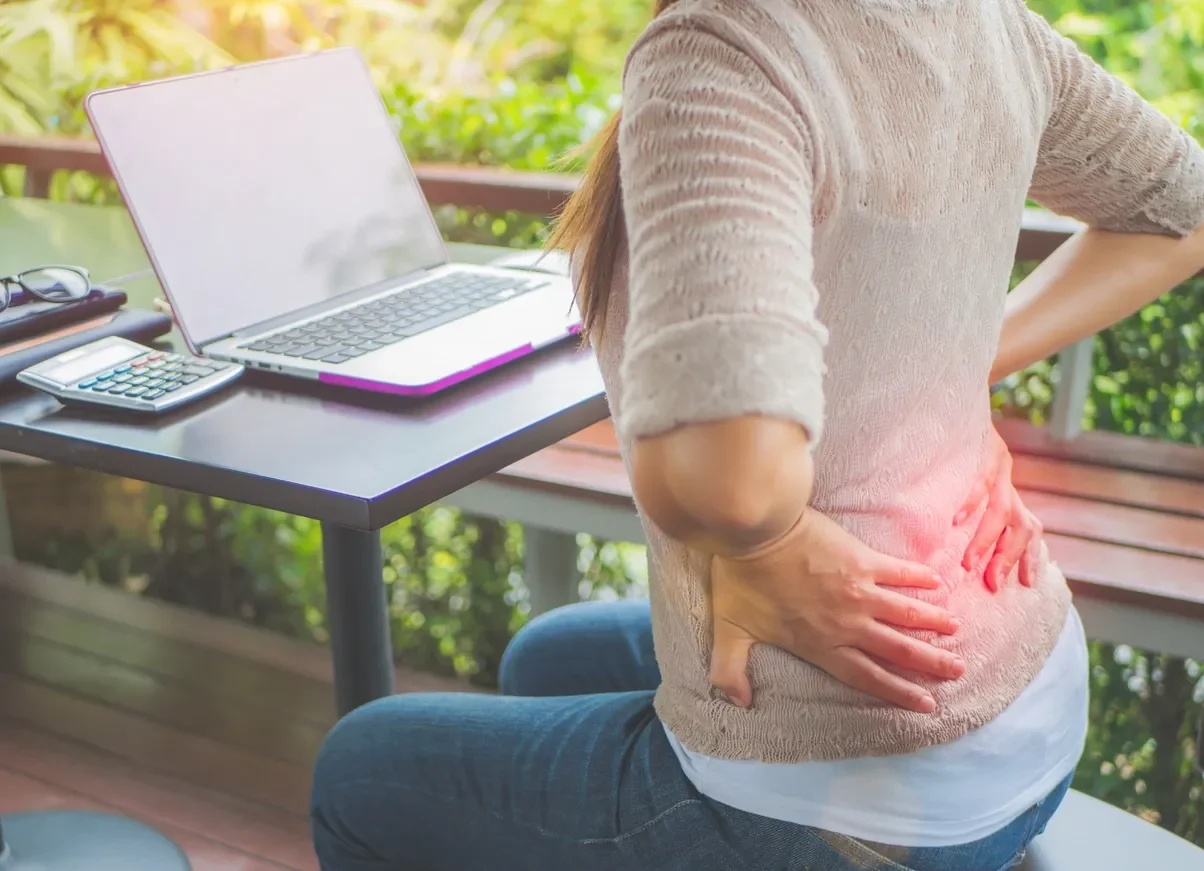
Sciatica is a common pain condition that can effect up to 40% of the UK adult population. Defined as pain down the back of the leg, it can be caused by problems with the muscles, joints, and nerves effecting people of any age! Treatments like Chiropractic Care, Sports and Massage Therapy, and Pilates are the gold standard for treating sciatica and should be the first port of call for anyone who has on-going symptoms!
In this blog we will discuss the causes, treatments, and things you can do to avoid sciatica in the future!
What are the causes of sciatica?
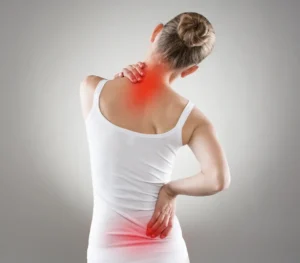
Sciatica is a common pain condition that effects many UK adults. It is experienced as pain running down the back of the leg and can be accompanied by back pain, pins and needles, numbness, or weakness. It can be caused by many injuries to the joints, soft tissues, and nerves of the lower back, pelvis, and hip.
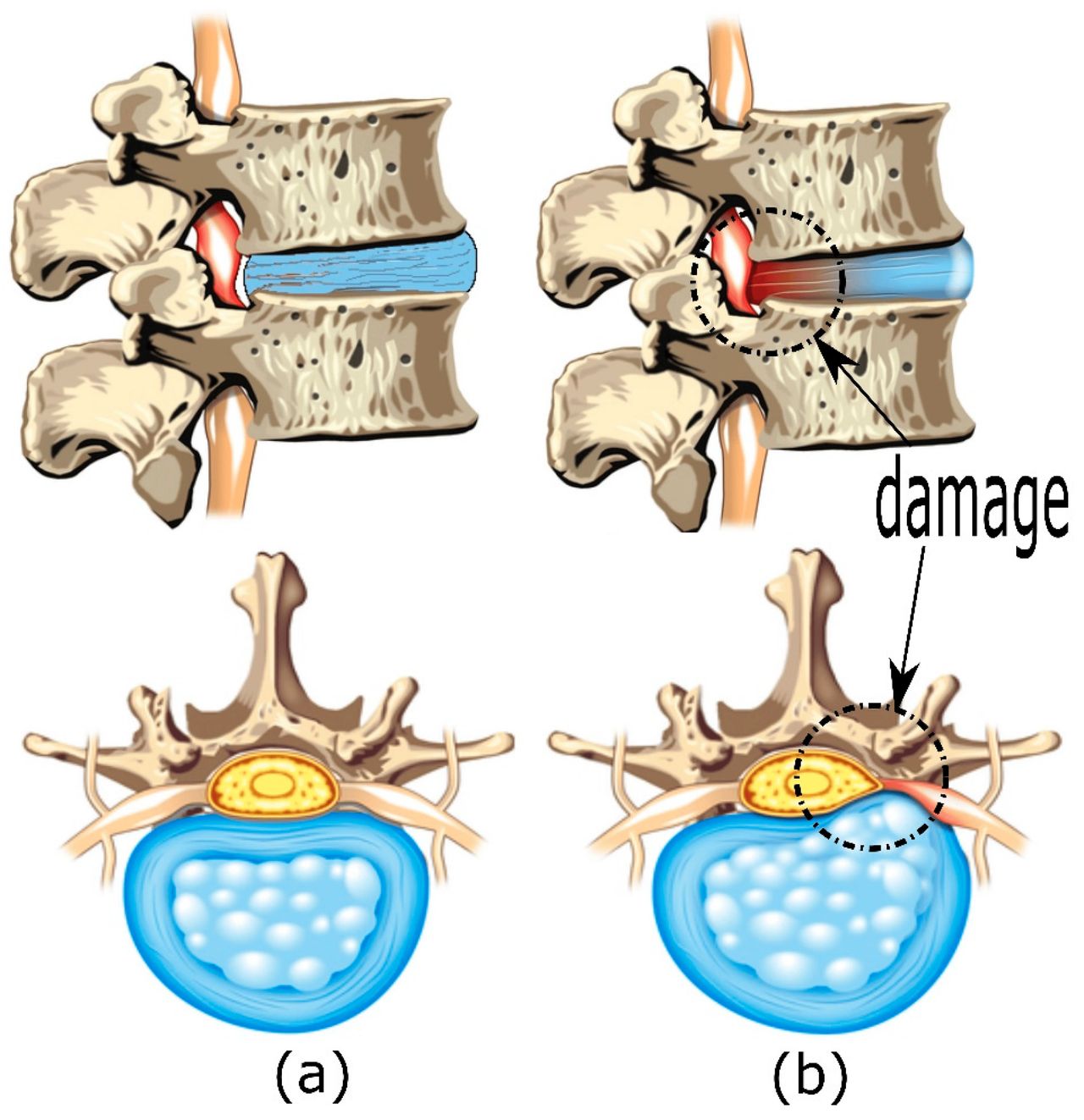
Most commonly, sciatica is caused by an impingement of the nerves in the lower back or by impingement of the sciatica nerve in the buttock area. If it is the lower back region, the L4, L5, or S1 nerve can be irritated by a disc injury if you are younger (± <55) or degeneration if you are older (±>55). These injuries are what is called a radiculopathy because they lead to a objective, neurological discrepancy (such as a reduced reflex, reduced muscle strength, and reduced sensation).
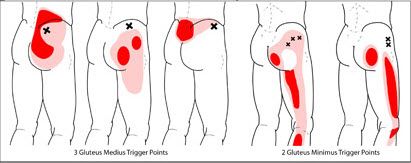
The sciatica can be caused by impingement of the sciatica nerve in the buttock area, usually as a result of tightness in the piriformis muscle. Sometimes called ‘piriformis syndrome’ which is irritative in nature, and causes significant pain but no neurological discrepancy.
Pseudo-sciatica is also common and involves sciatic type pain, in the buttock and back of the leg, but it isn’t caused by nerve irritation. It might be tight joints, tight muscles, or irritated pelvic ligaments; all of these problems can cause symptoms like sciatica but that isn’t primarily caused by the nerves.
Treatments for sciatica?
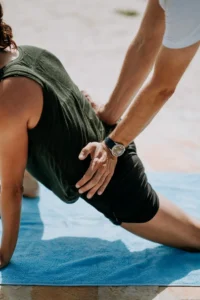
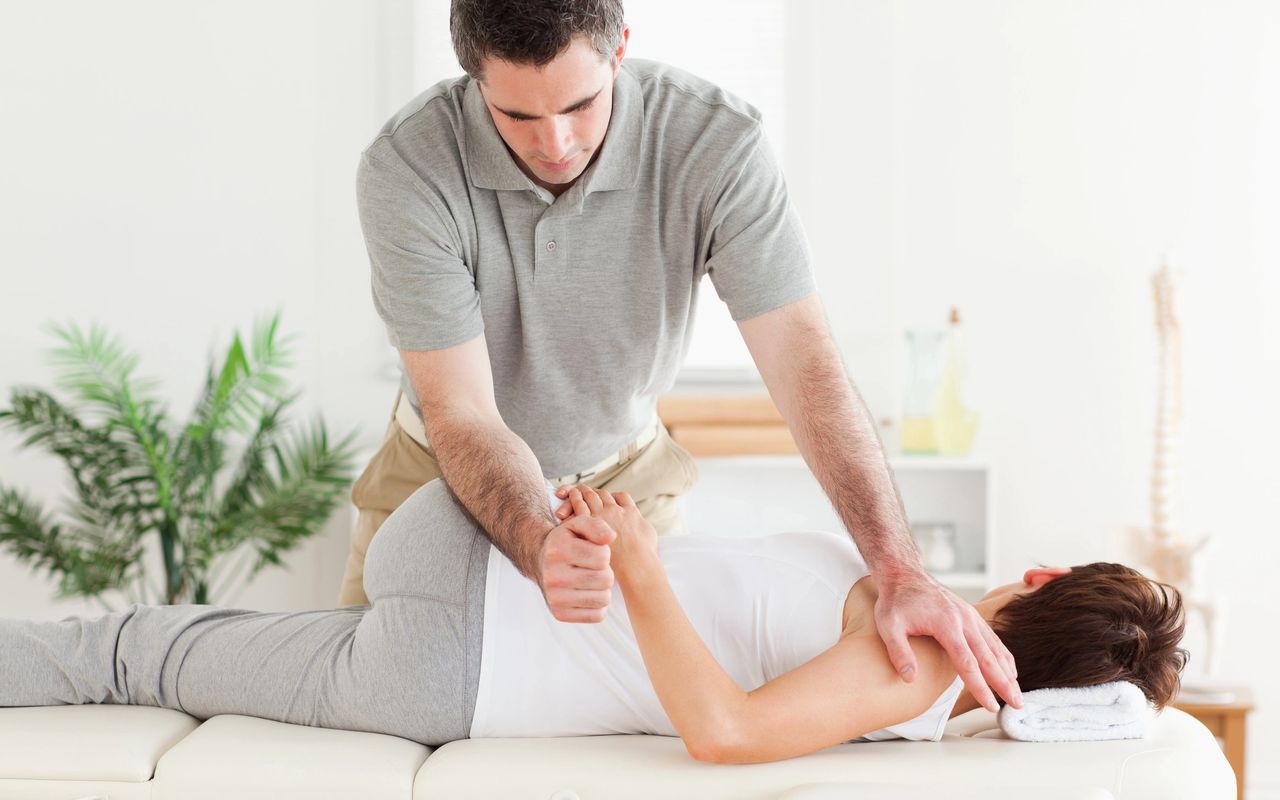
There are many treatments for sciatica but fortunately most people benefit from a suite of manual therapy and exercise. Spinal manipulation and mobilisation (moving and clicking joints) is well evidenced to help people experiencing back and leg pain. Soft tissue releases like trigger point therapy, stretching, massage, and tool-assisted work are also helpful in dealing with patients like this.
Exercises like the McGill series are some of the best you can use for these problem. The McKenzie exercises are also very helpful with sciatic pain. Further, nerve flossing/gliding benefits some patients with these problems as well. Doing these exercises regularly can help to reduce the strain on the nerves, encourage them to move better, build strength in the back and hip muscles, and reduce potential for flare ups in the future.

Finally – home therapies such as ice and heat, walking, reducing sitting time, and altering your sleeping position can all be helpful in reducing and managing your pain.
What can you do to avoid sciatica?
There are lots of things that you can do to prevent sciatica in the future. Here are 5 tips to help you avoid sciatica:
- See your Chiropractor or Sports Therapist regularly to keep your spine, pelvis, and hips moving as well as they can do!
- Exercise regularly to stay supple and strong. Strong muscles support your structure and allow you to move more naturally. If you muscles are strong then you will rely more on them and less on the weight bearing structures of your spine; including the joints, ligaments, and discs.
- Sleep Position is very important for spine health. The evidence is clear that sleeping on your back is the best position to reduce the pressure on the discs. Sleeping on your side is the second best position. Sadly, though many people are comfortable, sleeping on your front is not very good for the back.
- Reducing sitting time and getting walking are great ways to reduce sciatic pain and prevent reoccurrence. Especially in the case of piriformis syndrome, sciatic pain is worsened by sitting for even short periods, so getting moving is very important.
- Stay healthy — take your vitamins, eat well, manage stress, and meditate. Most people underestimate the link between pain and general health. If you keep yourself overall healthier you will be amazed at how many fewer aches and pains you have. Being properly nourished, less inflamed, fully hydrated, and feeling better psychology have a massive impact on current and future pains.
Summary
I hope this has been a helpful summary of sciatica. You’ve read about the causes, treatments, and preventative measures you can take to tackle your sciatica issues. Still have questions? Get in touch with our qualified professionals to discuss it further!