
Physical aches and pains are a common complaint among people of all ages. Whether caused by injury, overuse, or even poor posture, these issues can significantly impact daily life. Fortunately, rehabilitation techniques can help alleviate discomfort and promote long-term wellness. This article explores effective strategies to address common physical aches, such as back pain, knee discomfort, and shoulder tension. By understanding and applying these methods, you can take proactive steps toward a healthier and pain-free lifestyle.
What Causes Common Physical Aches?
Understanding the root causes of physical aches is the first step to effective management. Here are some of the most prevalent causes:
- Injuries: Accidents, sports activities, or falls can lead to acute pain.
- Overuse: Repeating the same motions over time can strain muscles and joints.
- Posture Problems: Sitting or standing improperly can contribute to chronic pain, especially in the back and neck.
- Aging: Natural wear and tear on the body can lead to discomfort in older adults.
By identifying the underlying cause, you can tailor your rehabilitation plan for maximum effectiveness.
How Can Rehabilitation Techniques Help?
Rehabilitation techniques are designed to restore function and reduce pain. Common methods include:
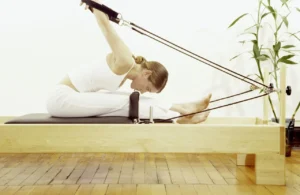
1. Stretching and Flexibility Exercises
- Improves range of motion
- Reduces muscle stiffness
- Examples: Yoga, dynamic stretching
2. Strengthening Exercises
- Builds muscle support for joints
- Reduces the likelihood of future injuries
- Examples: Resistance band exercises, weight training
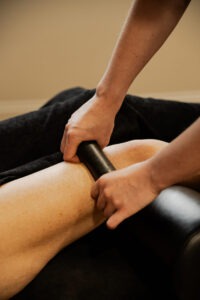
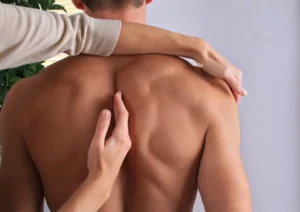
3. Manual Therapy
- Includes massage and joint mobilization
- Eases muscle tension and improves circulation
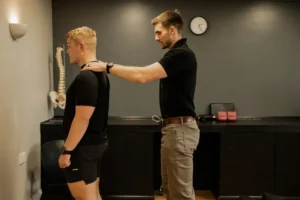
4. Posture Correction
- Aligns the spine and relieves pressure points
- Techniques: Ergonomic adjustments at work, posture braces
5. Heat and Cold Therapy
- Heat relaxes muscles and improves blood flow
- Cold treatment reduces inflammation and numbs pain
What Are the Best Practices for Back Pain Relief?
Back pain is one of the most common complaints. To manage it effectively:
- Stretch Regularly: Focus on the hamstrings and lower back.
- Strengthen Your Core: A strong core reduces pressure on the spine.
- Maintain Good Posture: Use lumbar support while sitting.
How Can You Address Knee Discomfort?
Knee pain often results from overuse or injury. Consider these tips:
- Low-Impact Exercises: Swimming and cycling are gentle on the knees.
- Strength Training: Focus on the quadriceps and hamstrings.
- Use Supportive Gear: Knee braces can provide stability.
What Are Effective Solutions for Shoulder Tension?
Shoulder tension is frequently caused by poor posture or stress. To alleviate this:
- Stretch: Include shoulder rolls and neck stretches in your routine.
- Practice Relaxation Techniques: Deep breathing can ease muscle tightness.
- Apply Heat: A warm compress can reduce stiffness.
When Should You Seek Professional Help?
Although self-management can be effective, some situations require expert intervention:
- Severe Pain: If the pain is intense and persistent, consult a healthcare provider.
- Limited Mobility: Difficulty moving a joint could indicate a serious issue.
- Recurring Pain: Chronic discomfort may benefit from specialized treatment plans.
How Can Local Resources in Shrewsbury Enhance Your Recovery?
If you’re in Shrewsbury, consider exploring local rehabilitation services. Clinics like MOVE offer tailored programs to address your specific needs. With professional guidance, you can optimize your recovery process and improve your quality of life.
FAQs
1. What is the fastest way to relieve back pain?
Stretching and applying a warm compress can provide quick relief.
2. Are there exercises to prevent knee pain?
Strength training and low-impact activities like swimming can help.
3. Is shoulder tension always stress-related?
No, it can also result from poor posture or physical strain.
4. How often should I do rehabilitation exercises?
Aim for at least three times a week, but consult a professional for personalized advice.
5. Can I perform these techniques at home?
Yes, many rehabilitation exercises can be done at home, but professional guidance ensures safety and effectiveness.
By incorporating these rehabilitation techniques into your routine, you can effectively manage and even prevent common physical aches. With consistent effort and the right resources, a pain-free lifestyle is within reach.