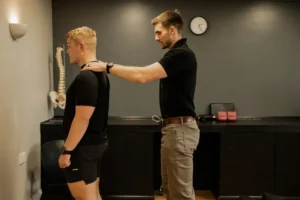

Back pain can be a persistent and debilitating issue that affects millions of people worldwide. Whether it’s a dull ache or sharp discomfort, finding relief from back pain is a top priority for those who suffer from it. Fortunately, there are numerous strategies and lifestyle changes that can help alleviate and give back pain relief. In this article, we’ll explore some of the best tips for managing back pain and maintaining a healthy spine.
1. Practice Good Posture:
Maintaining proper posture is essential for keeping your spine aligned and reducing strain on the muscles and ligaments in your back. Whether you’re sitting, standing, or lifting heavy objects, be mindful of your posture and make adjustments as needed. Avoid slouching or rounding your shoulders, and aim to keep your spine in a neutral position.
2. Stay Active and Exercise Regularly:
Engaging in regular physical activity is key to keeping your back strong and flexible. Incorporate exercises that target the core muscles, such as planks, bridges, and abdominal crunches, to provide support to your spine. Additionally, activities like walking, swimming, and yoga can help improve overall flexibility and reduce the risk of back pain.
3. Lift Properly:
Improper lifting techniques can put significant strain on your back muscles and increase the risk of injury. When lifting heavy objects, bend your knees and keep your back straight, using your legs to lift the weight. Avoid twisting your spine while lifting, and ask for assistance if an object is too heavy to lift safely on your own.
4. Maintain a Healthy Weight:
Carrying excess weight puts added stress on your spine and can exacerbate back pain. By maintaining a healthy weight through a balanced diet and regular exercise, you can reduce the strain on your back and lower the risk of developing back pain.
5. Stretch Regularly:
Incorporating stretching into your daily routine can help improve flexibility and relieve tension in the muscles supporting your spine. Focus on stretching the hamstrings, hip flexors, and lower back to alleviate stiffness and promote better range of motion.
6. Invest in Ergonomic Furniture:
Choosing ergonomic furniture, such as a supportive office chair and an adjustable desk setup, can help maintain proper posture and reduce strain on your back while sitting for extended periods. Additionally, using a supportive mattress and pillows that provide adequate spinal alignment can promote better sleep and alleviate back pain.
7. Manage Stress:
Stress and tension can exacerbate back pain by causing muscles to tighten and contract. Practice stress-reducing techniques such as deep breathing, meditation, or yoga to promote relaxation and reduce muscle tension in the back.
8. Seek Professional Help:
If you’re experiencing persistent or severe back pain, don’t hesitate to seek professional help from a healthcare provider or physical therapist. They can assess your condition, provide personalized treatment recommendations, and guide you through exercises and techniques to alleviate pain and prevent future episodes.
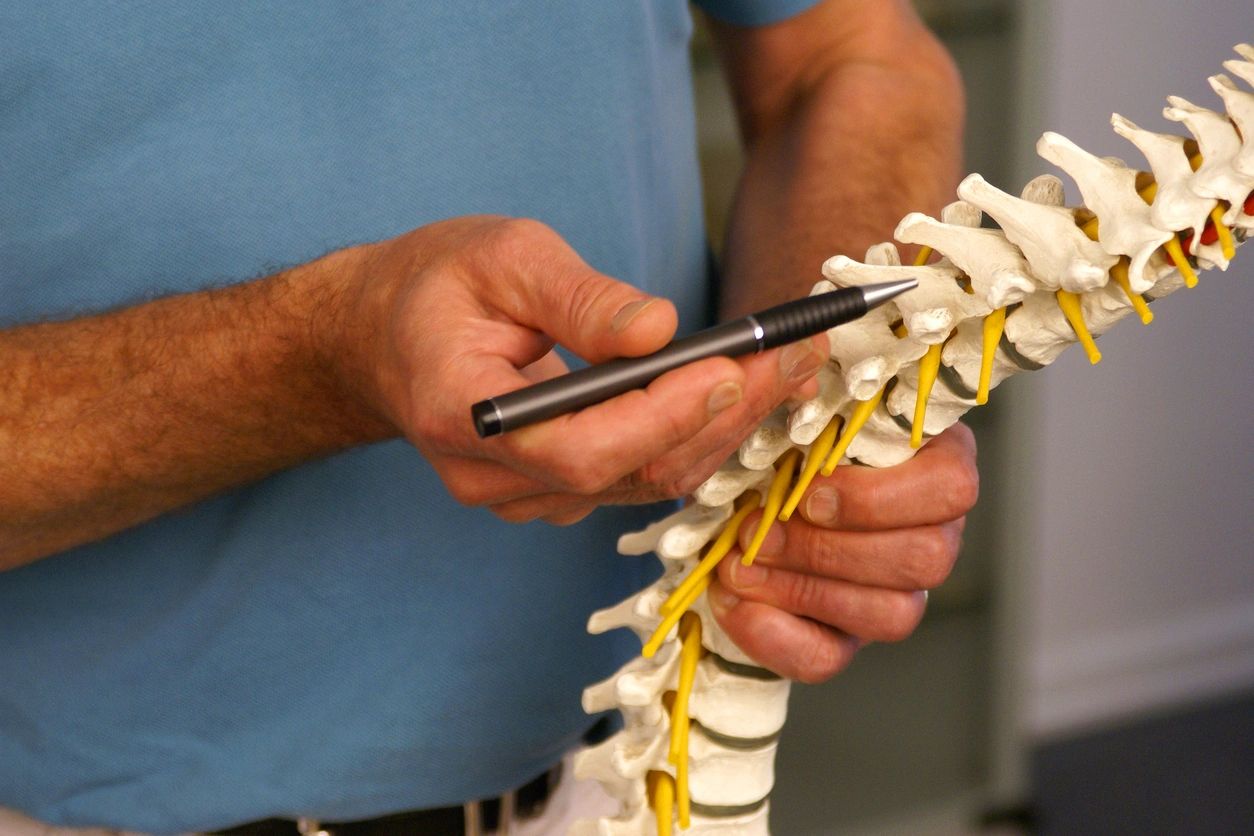
By implementing these tips into your daily routine, you can take proactive steps towards managing and preventing back pain, allowing you to enjoy a healthy and active lifestyle free from discomfort. Remember to listen to your body, prioritize self-care, and seek professional guidance when needed to ensure optimal spine health and well-being.