
Running is a fantastic form of exercise that offers numerous physical and mental health benefits. However, like any physical activity, it comes with its risks. Whether you’re a seasoned marathoner or a casual jogger, understanding common running injuries is crucial for staying healthy and injury-free. In this article, we’ll explore some of the most prevalent running injuries and discuss how chiropractic treatments can help in their management and prevention.

Common Running Injuries:
- Runner’s Knee (Patellofemoral Pain Syndrome): This is one of the most common running-related injuries, characterized by pain around the kneecap. It often stems from overuse, improper biomechanics, or muscular imbalances.
- Shin Splints: Shin splints cause pain along the shinbone (tibia) and are often the result of overloading the muscles, tendons, and bone tissue in the lower leg.
- Plantar Fasciitis: This condition involves inflammation of the plantar fascia, a band of tissue that connects the heel bone to the toes. It causes pain in the heel or along the bottom of the foot, especially upon waking or after long periods of rest.
- Achilles Tendinitis: Achilles tendinitis occurs when the Achilles tendon, which connects the calf muscles to the heel bone, becomes inflamed. It typically presents as pain and stiffness in the back of the heel.
- IT Band Syndrome: The iliotibial (IT) band is a thick band of tissue that runs along the outside of the thigh. IT band syndrome involves inflammation of this tissue, leading to pain on the outside of the knee.

Chiropractic Treatment for Running Injuries:
Chiropractic care offers a holistic approach to managing and preventing running injuries. Here’s how chiropractors can help:
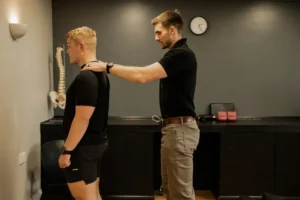
- Spinal Alignment: Chiropractors can assess your spinal alignment to ensure that your nervous system functions optimally. Misalignments (subluxations) in the spine can affect nerve function and muscular balance, potentially contributing to running injuries.
- Musculoskeletal Assessment: Chiropractors are trained to identify imbalances, weaknesses, and areas of tension in the musculoskeletal system. By addressing these issues through manual adjustments, soft tissue therapy, and corrective exercises, they can help improve biomechanics and reduce the risk of injury.
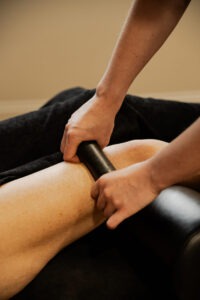
- Soft Tissue Therapy: Techniques such as Active Release Technique (ART), Graston Technique, and myofascial release can help break up scar tissue, adhesions, and muscle knots, promoting better tissue healing and reducing pain.
- Biomechanical Analysis: Chiropractors can analyze your running gait and biomechanics to identify any abnormalities or inefficiencies that may contribute to injury. By making adjustments to your form and providing tailored exercise recommendations, they can help improve running efficiency and reduce strain on vulnerable areas.
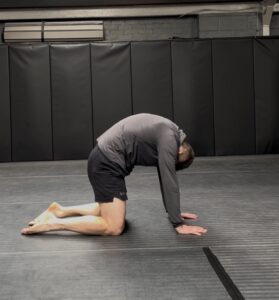
- Preventive Care: Beyond treating existing injuries, chiropractors can provide guidance on injury prevention strategies, including proper warm-up and cool-down routines, stretching exercises, and strength training programs tailored to runners’ specific needs.
Conclusion:
While running injuries are common, they don’t have to derail your training or sideline your passion for running. By understanding the risk factors associated with running and seeking appropriate care, such as chiropractic treatment, you can minimize the likelihood of injury and enjoy the countless benefits that running has to offer. Remember to listen to your body, prioritize recovery, and seek professional guidance if you experience persistent pain or discomfort. With the right approach, you can continue to lace up your running shoes and hit the pavement with confidence.